


Device is a smart disinfection system designed to help reduce bacteria, viruses, mold, and pathogens in indoor spaces. Our team developed the mobile application, cloud platform, and device management dashboard that allow users and administrators to set up devices, manage operation modes, schedule disinfection sessions, and monitor device usage. The solution connects hardware, mobile, web dashboard, and cloud components into a reliable ecosystem for remote control and management. This helped make advanced disinfection technology easier to use in homes, workplaces, and other shared environments.

Challenges
What was the client's main problem?
The client needed a reliable mobile, cloud, and dashboard solution to simplify setup, remote control, scheduling, and centralized management of their smart disinfection devices.
How did this impact their business?
This helped the client turn their hardware product into a scalable connected solution, improving device usability, remote management, and readiness for real-world deployment.
What was Embrox's team challenge?
Ensuring stable IoT communication for device onboarding, command delivery, schedule synchronization, and real-time status updates between Far-UVC devices, mobile apps, cloud services, and the dashboard.
Managing hardware communication stability in a noisy environment, including internal shielding of communication lines affected by UV lamp interference.
Developing reliable embedded firmware to control device operating modes, hardware states, ToF sensors, provisioning, and autonomous scheduled operation.
Designing scalable AWS-based fleet management for device registration, monitoring, configuration updates, and operational visibility across multiple devices and locations.
Protecting user, device, and operational data through secure authentication, access control, encrypted communication, and safe handling of shared device access.
How were these challenges overcome?
We implemented reliable IoT communication flows for device onboarding, cloud-to-device command delivery, schedule synchronization, and real-time status reporting across the mobile app, cloud, dashboard, and firmware.
Hardware communication stability was improved by applying internal shielding for communication lines affected by UV lamp noise, combined with firmware-level validation and recovery logic.
The embedded firmware was designed to manage device operating modes, hardware states, ToF sensor data, provisioning, and scheduled autonomous operation directly on the device.
AWS-based fleet management was used to support device registration, monitoring, configuration updates, and operational visibility across multiple devices and locations.
Security was addressed through authenticated access, encrypted communication, permission-based device sharing, and controlled handling of user, device, and operational data.
How did Embrox approach this project to ensure client's satisfaction?
To ensure the client's satisfaction, we started by defining the key user flows around device onboarding, room setup, remote control, scheduling, and access sharing. Based on these flows, we designed the system architecture connecting the mobile app, cloud backend, web dashboard, and physical devices. Our team implemented secure device provisioning, cloud-based synchronization, and user permission management to make the system reliable and scalable. We also delivered both the mobile application and dashboard, giving end users a simple way to manage devices and providing the client with centralized tools for device, user, and operational management.


Would you like to collaborate with us?
Have an idea or project? Fill out the form below, and we'll get back to you as soon as possible.

You May Find Interesting


Smart Shower
The intelligent shower for household use. Mobile application allows users to connect to shower head, adjust temperature, collect data, receive firmware updates, and display the stats on the Web Dashboard Application.
Learn More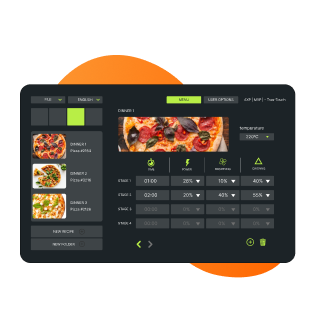
Microwave Configuration
The desktop application serves as a tool for generating configuration files tailored to specific microwave oven models. Users can easily customize cooking settings such as time, temperature, and power levels within the application before uploading the finalized configuration file to the oven's memory. This seamless process ensures that the microwave oven operates according to the user's preferences and cooking requirements.
Learn More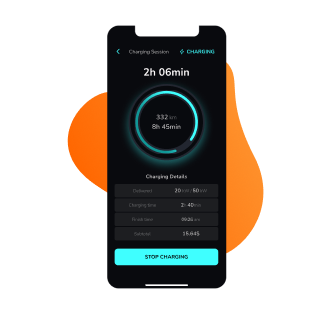
Electrocharge Connect
ElectroCharge Connect is a cutting-edge platform that enables convenient and efficient access to a network of certified electric vehicle (EV) charging stations. This innovative solution offers a three-tiered application structure: the mobile app and private office cater to end users, empowering electric vehicle owners with seamless charging experiences. The back office is designed for partners who own charging stations, providing them with comprehensive management tools. Finally, the supreme office is tailored for system owners, granting them full control and oversight of the entire infrastructure.
Learn More